Fictional Portrayals of Dissociative Identity Disorder
Media Representations
Dissociative Identity Disorder is one of the most dramatized and misunderstood mental health conditions in movies and television. Fiction often focuses on the shock value of “multiple personalities,” which can lead to exaggerated and inaccurate portrayals.
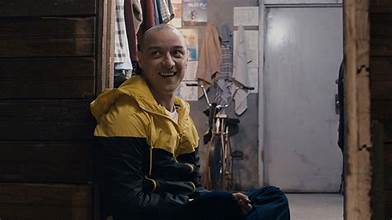
One of the most well-known examples is Split (2016). In this movie, the main character has multiple identities, including a violent alter called “The Beast.” The film portrays DID as dangerous and unpredictable, reinforcing the idea that people with DID are violent. In reality, research shows that individuals with DID are far more likely to harm themselves than others. The movie exaggerates identity switching and presents alters as almost superhuman, which is not consistent with clinical understanding.
Another example is Psycho (1960). The main character is portrayed as having split personalities linked to murder. Although the film is iconic, it incorrectly connects DID to psychosis and violent crime. DID is not the same as schizophrenia, and most individuals with DID are not violent.
The book and film Sybil (1970s) had a major impact on public awareness of DID. It portrayed a woman with multiple personalities resulting from severe childhood abuse. While it helped bring attention to trauma and dissociation, it also led to controversy. Some later critics questioned the accuracy of the case and suggested therapist influence may have shaped the presentation. Even so, the story deeply influenced how DID is viewed in popular culture.
A more balanced portrayal can be seen in the TV series United States of Tara, which attempted to show the emotional struggles and family impact of living with DID. While still dramatized, it humanized the character more than many horror-based portrayals.
Overall, media portrayals tend to exaggerate:
-
Sudden and dramatic personality switches
-
Violent behavior
-
Clear-cut, highly theatrical alters
-
Instant transformation in voice and posture
In real life, identity shifts are often subtle, internal, and connected to trauma rather than aggression.
Stereotypes and Their Impact
Media portrayals have a strong influence on how the public understands DID.
Common Stereotypes
-
People with DID are dangerous or violent
-
DID is fake or exaggerated
-
Alters are evil or uncontrollable
-
DID is the same as schizophrenia
-
Identity switching is dramatic and obvious
These stereotypes create fear and misunderstanding.
Impact on Public Perception
Because movies often link DID with violence, the public may assume people with DID are unpredictable or unsafe. This increases stigma and can make individuals hesitant to disclose their diagnosis.
It also contributes to:
-
Misdiagnosis
-
Dismissal of symptoms by professionals
-
Social isolation
-
Shame and self-stigma
When a disorder is portrayed mainly in horror films, it reinforces fear instead of empathy.
Do Any Portrayals Challenge Stereotypes?
Some media attempts to show DID more realistically by focusing on trauma, emotional pain, and family impact rather than violence. These portrayals can help increase understanding and reduce stigma.
However, overall, fictional portrayals still tend to prioritize entertainment over accuracy.
Why This Matters
Media has power. When DID is consistently shown as dangerous or dramatic, it shapes how society responds to real people living with the disorder. Reducing harmful stereotypes can:
-
Encourage people to seek treatment
-
Increase empathy
-
Improve accurate diagnosis
-
Reduce stigma
Understanding the difference between Hollywood portrayals and clinical reality is essential for creating a more informed and supportive society.